
Moisture readings, not guesswork
We use meters and monitoring to verify drying progress and to help prevent missed pockets of moisture behind baseboards, under flooring edges, and in wall cavities.
Serving San Jose, California & surrounding areas
24/7 Emergency Response
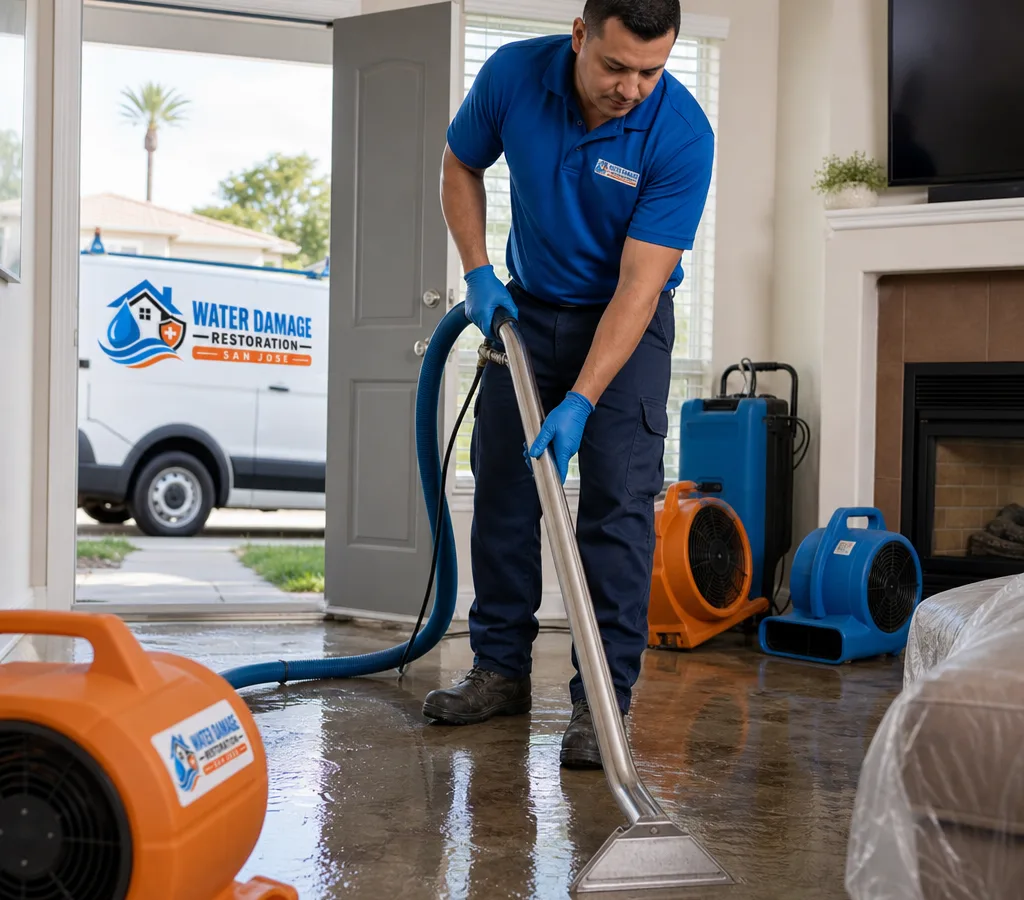
Water restoration in San Jose, California
Fast response for leaks and flooding, with moisture testing, clear next steps, and careful drying to protect floors, walls, and contents before damage spreads.
Act before hidden moisture spreads
If you are searching for water restoration San Jose help, you are usually dealing with a real deadline: water is still moving, materials are soaking up moisture, and the longer it sits the more likely you are to see swelling, staining, odor, and microbial growth.
Water Damage Restoration San Jose focuses on getting the water out, drying the structure the right way, and giving you a clear plan you can use for repairs and, if applicable, an insurance claim. That means we do more than put fans in a room. We map moisture, choose equipment based on material and conditions, and track drying progress until readings stabilize.
San Jose adds its own complications. Many homes and small commercial spaces have multiple flooring types—hardwood, laminate, tile, and carpet—that respond very differently to the same leak. Older construction can conceal saturation inside walls or subfloors, while limited parking and multi-unit access can make professional extraction and targeted drying even more important.
A controlled response from extraction to verification
Water restoration is a controlled process: remove bulk water, stop secondary damage, dry materials to an appropriate moisture level, then document results so repairs can start.
Typical water restoration work can include:
We also explain the difference between clean supply-line leaks and contaminated water events. If water contacted sewage or moved through unknown building cavities, cleanup procedures, PPE, and disposal requirements change. You should know which category you are dealing with before contents are moved.
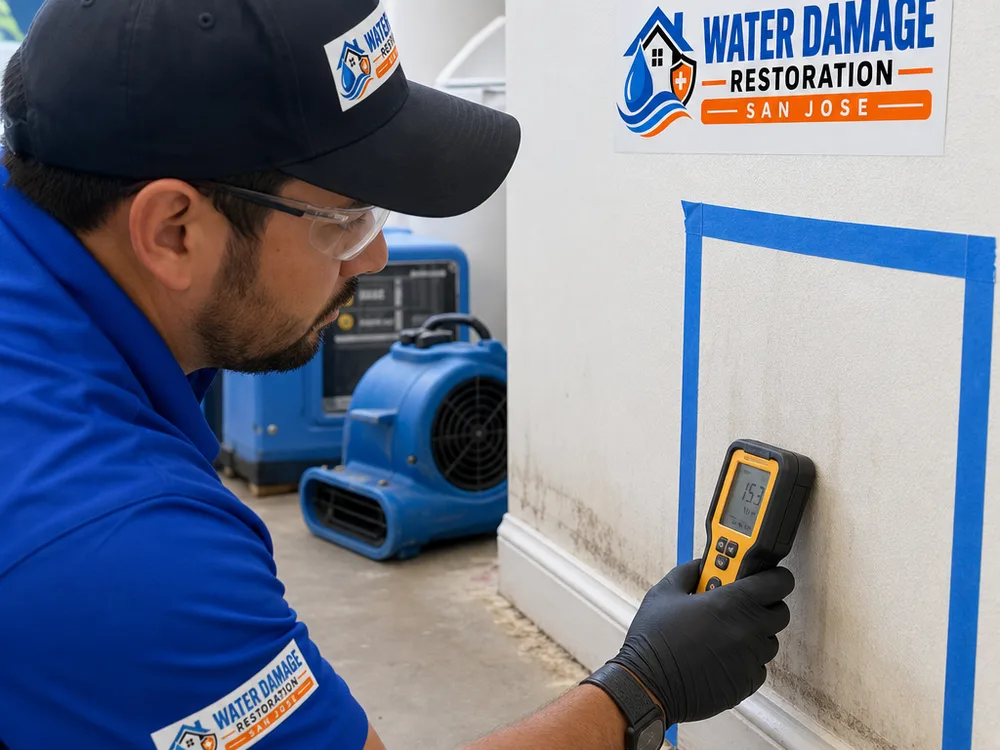
Measured work and straightforward communication
We use meters and monitoring to verify drying progress and to help prevent missed pockets of moisture behind baseboards, under flooring edges, and in wall cavities.
You get a clear outline of what is affected, what can likely be dried in place, and what may need removal, so repairs can be planned without confusion.
Drying works when airflow and dehumidification match the volume of wet materials. We set equipment based on conditions, not a one-size template.
Hardwood, laminate, cabinets, and trim each need different handling. We focus on stabilization and drying methods that reduce warping and visible damage when possible.
Restoration often involves plumbers, property managers, and adjusters. We keep updates straightforward so other trades can follow without delays.
From the first safety check to repair handoff
We start by confirming the water source is stopped, checking for electrical hazards around wet outlets or appliances, and identifying where water likely traveled. For multi-unit buildings, we also look for shared wall or ceiling migration.
Bulk water removal comes first because drying equipment is far less effective when standing water remains. We protect unaffected areas and begin moving air only after the main extraction is complete.
We take readings across the affected footprint and adjacent rooms. That map determines equipment placement, whether we recommend removing baseboards or drilling small access points, and how often monitoring should happen.
Air movers push airflow across wet surfaces, while dehumidifiers pull moisture out of the air so materials can release water. We adjust setups as readings change, rather than leaving the same layout for days.
We re-check moisture levels and document progress. Once the structure is dry to appropriate targets for the materials involved, we outline next steps so repairs can begin in an organized way.
Planning the restoration scope
Water restoration in San Jose typically ranges from about $900 to $6,500+, depending on how far water traveled, how many materials are affected, and how much equipment time is needed. A small, clean-water leak with limited extraction and drying is often at the lower end, while multi-room saturation, wet hardwood, or contaminated water cleanup can push costs higher.
Final pricing depends on moisture levels, access such as crawlspaces or multi-story units, removal needs including baseboards or drywall cuts, contents handling, and required monitoring visits. The exact cost is confirmed after an on-site inspection and moisture mapping.
San Jose property conditions shape the response
Two homes can have the same amount of water and very different results. In San Jose, we often see differences driven by building layout, flooring choices, and how quickly water is discovered.
Downtown San Jose condos and apartments can add complexity because water may migrate between units. An upper-floor leak can appear as ceiling staining below while the wettest materials remain hidden around plumbing penetrations and inside wall cavities.
Willow Glen homes often combine original framing with remodeled finishes. Water can become trapped between layers, including beneath newer flooring systems, and require targeted drying or selective removal.
Almaden Valley properties may have more square footage where losses can spread quietly before surface water appears. Longer supply-line runs and multiple bathrooms create more potential leak locations and affected rooms.
North San Jose commercial and light industrial spaces often require restoration plans that keep operations moving, with clear containment, safe walking paths, and equipment arrangements that work around employees and customers.
Our inspection, documentation, and drying approach adapts to these different property types and access conditions.
“We had a supply line leak that soaked the hallway and two bedrooms. The crew arrived quickly, extracted the water, and explained why the baseboards needed to come off for proper drying. They checked moisture readings every visit and kept the setup tidy so we could still live in the house.”
“Our condo had water coming in from the unit above. They documented everything, set containment, and worked with the building schedule. The air movers and dehumidifier placement made sense after they showed us the moisture map.”
Answers before drying begins
You should start water restoration as soon as the water source is controlled because materials begin absorbing water immediately and secondary damage can develop quickly. In San Jose homes, flooring edges, cabinets, and drywall can hold hidden moisture even when surfaces look dry, so early extraction and moisture mapping helps limit how much has to be removed later.
Sometimes, but it depends on how wet they are, how long they were wet, and whether the water is considered contaminated. Drywall that is swollen, crumbling, or has wicking more than a small margin often needs selective removal, and insulation commonly loses effectiveness once saturated. We confirm the right approach with moisture readings and a visual inspection of material condition.
Most drying takes several days, but the exact timeline depends on material type, how much water entered the structure, temperature, humidity, and airflow access. Hardwood assemblies, subfloors, and wall cavities often take longer than open carpeted areas, and multi-room losses in San Jose can require multiple monitoring visits to verify that moisture levels are dropping as expected.
Many customers can stay in the home if the affected area is limited and there are no safety or contamination concerns, but it depends on where the damage is and what needs to be removed. Drying equipment is loud and can restrict access, and contaminated water events may require stronger containment and cleaning steps that make staying in place impractical.
Stop the water if you can do so safely, avoid using outlets or appliances in wet areas, and move small items away from standing water if it will not put you at risk. If possible, take a few photos of affected areas for documentation. Avoid running household fans into wall cavities or pulling up flooring without a plan, because it can spread moisture or cause extra damage.
Yes, we can provide the documentation and a clear scope of work that helps support an insurance claim when coverage applies. The key is categorizing the water source correctly, documenting moisture impact, and tracking drying progress so the claim record matches what was actually needed on site.
Start with a measured inspection
Tell us what happened and what areas are affected. We will schedule an inspection, map moisture, and give you a straightforward scope for drying and cleanup so you can move confidently into repairs.