
Source control and documentation
We help you stabilize the situation first, then document affected areas and materials so you have a clear scope for repairs and, if needed, for an insurance claim.
Serving San Jose, California & surrounding areas
24/7 Emergency Response
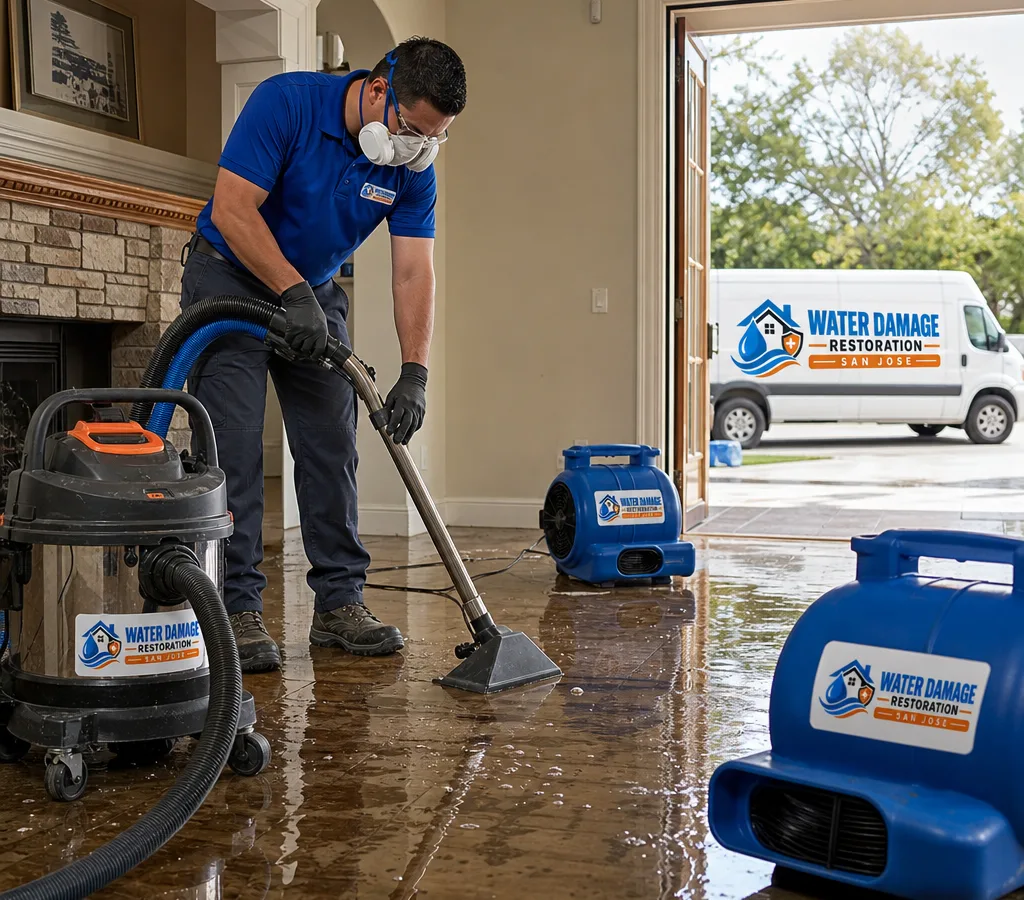
Water damage restoration in San Jose, California
If water is spreading, the goal is simple: stop the source, protect what can be saved, and dry the structure the right way so you do not deal with hidden moisture later. Our team responds fast across San Jose with clear next steps and a written scope before repairs begin.
Hidden moisture needs a measured response
Water damage rarely stays where it starts. A dishwasher leak can wick into cabinets, a burst supply line can soak drywall in minutes, and an upstairs overflow can travel through ceiling cavities and light fixtures.
For water damage San Jose CA property owners, the highest risk is often what you cannot see yet: moisture trapped under flooring, inside walls, and in insulation. That is why proper restoration is more than extraction. It is moisture mapping, controlled drying, and verification that materials are dry enough to repair.
Water Damage Restoration San Jose serves residential and commercial properties throughout San Jose. If you are trying to decide what to do first, start with safety: shut off the water supply if the leak is active, avoid outlets or rooms with sagging ceilings, and do not run HVAC if you suspect water reached ducts or returns.
From stabilization through repair planning
We help you stabilize the situation first, then document affected areas and materials so you have a clear scope for repairs and, if needed, for an insurance claim.
Standing water is removed quickly, and wet materials that cannot be dried safely—like saturated pad or swollen particle board—are taken out to prevent ongoing damage.
We use moisture meters and thermal imaging to locate damp cavities and build a drying plan around airflow, dehumidification, and temperature control.
Drying and cleaning steps are chosen to limit microbial growth after a water event. Timing matters, especially when porous materials stayed wet.
Once readings confirm materials are dry, repairs can move forward: drywall patches, baseboards, flooring transitions, paint-ready prep, and more.
You get straight answers on what is wet, what can be saved, what must be removed, and what the realistic timeline looks like for your home or business.
Local building conditions matter
In San Jose, many water losses come from everyday plumbing and appliance failures, plus seasonal rain that finds weak points in building envelopes. We commonly respond to:
Neighborhood layout can affect access and drying strategy. In Downtown San Jose and Japantown, multi-unit buildings and shared walls can mean the affected footprint crosses units, and drying plans must account for neighbors and building rules. In Willow Glen and Rose Garden, older homes may have layered flooring systems and plaster or lath that require more careful moisture verification before closing walls. In North San Jose, many properties have slab foundations where water can migrate under floating floors and baseboards, making moisture mapping essential.
If you want a better sense of who we are and how we handle emergencies, Water Damage Restoration San Jose CA shares a quick overview of our approach and service area.
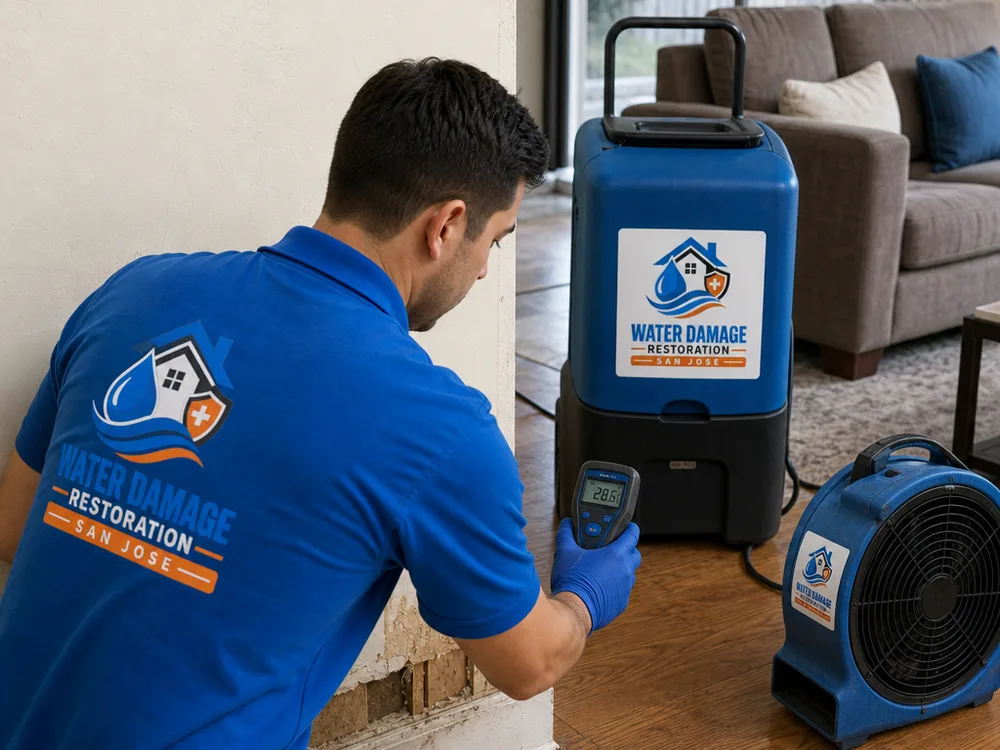
Assessment through dry verification
We identify the source, check for electrical and ceiling hazards, and define the affected footprint, including rooms that look fine but test wet.
Extraction starts immediately. If materials are swollen, delaminated, or holding contaminated water, we remove them in a contained, planned way so drying can actually work.
Air movers and dehumidifiers are sized to the loss. We track moisture content and adjust the setup as materials dry, rather than leaving the same equipment in place and hoping for the best.
We clean affected surfaces and contents where appropriate, and address odor sources that appear after wet materials are opened up.
When readings confirm the structure is dry enough, we provide a clear repair scope so rebuilding can start without sealing in moisture.
Planning the scope
Water damage restoration in San Jose typically ranges from about $1,500 to $8,000+, with small localized drying and minor repairs at the lower end and multi-room losses with demolition, extended drying, and rebuild work at the higher end.
Final cost depends on how far water traveled, what materials are affected—hardwood, drywall, cabinets, or insulation—whether water is clean or contaminated, access to wet cavities, and how many days of equipment and monitoring are needed. The exact cost is confirmed after an on-site inspection and moisture readings.
Customer experiences
“We had a leak under the kitchen sink that didn't look like much, but the cabinets and toe kick were soaked. They explained what could be dried, what needed to be removed, and why. The drying logs and moisture checks made it easy to understand what was happening day by day.”
“An upstairs toilet overflowed and water showed up in the ceiling below. The crew contained the area, pulled down only what was necessary, and got everything dry before repairs. The process felt organized instead of chaotic.”
Answers before cleanup begins
Response time depends on current demand and access to the property, but water losses are prioritized because delays increase the size of the damaged area. After you reach out, we focus first on stopping active water, then on extraction and setting drying equipment the same visit whenever possible.
Yes, we can provide documentation commonly requested for water damage claims, including photos, moisture readings, and an itemized scope of work. Coverage depends on your policy and the cause of loss, so we keep our reporting clear and factual to support the adjuster's review.
Clean water comes from a sanitary source like a supply line, gray water may contain contaminants—for example from a dishwasher or laundry—and black water includes sewage or significant contamination. The category affects required PPE, containment, cleaning steps, and what materials can be saved versus removed.
Sometimes drywall can be dried if it is only lightly affected and still structurally sound, but insulation that is saturated typically needs removal because it holds water and slows drying. We base the decision on moisture readings, the water category, swelling or crumbling, and whether the cavity can be dried effectively.
Many residential drying setups run about 3 to 5 days, but the timeline can be shorter for small losses or longer when water spread under flooring, into multiple rooms, or into dense materials. We monitor moisture levels and adjust equipment based on measured progress rather than guessing from the calendar.
Shut off the water source if you can do so safely, avoid rooms with ceiling bulges or electrical hazards, and move small valuables out of wet areas if it does not put you at risk. If you can, blot or extract surface water with towels, but avoid running fans into wall cavities unless a professional has confirmed a safe drying plan.
Yes, once moisture levels are verified, we can coordinate the repair scope so the property can be put back together without trapping moisture behind new finishes. Repairs often include drywall replacement, baseboards, paint prep, and flooring-related work depending on what was affected.
Start with moisture verification
Tell us what happened and what areas are affected. We will walk you through immediate safety steps, inspect for hidden moisture, and provide a written scope for water damage restoration in San Jose so you can move forward with confidence.